When 22-year-old George Hodgins was murdered by his mother, Elizabeth, the public’s response was sympathetic to his mother. As advocate Zoe Gross recalls, “…it wasn’t wrong because he was autistic, and autistic children are hell to raise…she was obviously responding to a lack of services…it wasn’t wrong because he was disabled, and his life couldn’t have been very good anyway.”
George Hodgins is one of thousands of disabled people who have been killed by their family members in recent decades. Since 2012, communities around the globe have gathered at vigil sites every March 1st for Disability Day of Mourning, a day to highlight the pattern of violence towards disabled people, remember the lives lost, and change the perception around the violence. The names and stories of each documented murder are read out loud, acknowledging the humanity, innocence, and community members we have lost.
Another tragic case was of Marjorie Joanne Galeener, age 3. “[Investigators found] a recording of Majorie’s foster parents beating her severely because they did not like the way she chewed her food…Marjorie loved balloons, bubbles, and the color purple” (Disability Day of Mourning website).
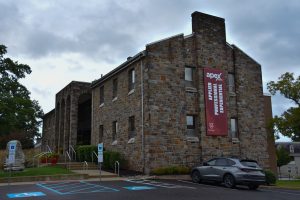
While there are online offerings, since 2018, Ursinus College has been one of the few in-person vigil sites for the day located on the East Coast. Initiated and annually organized by psychology professor Dr. Jennifer Frymiare, students and community members gather on the Disability Day of Mourning to listen to memorial entries. Moments of silence between each name are heart-sinking; the event’s length is a reminder of how many smiles, exchanges of love and laughter, and innocent lives taken. Those in attendance, however, are given the opportunity to make a difference by educating themselves about disability and filicide, becoming an ally, and making any degree of impact to ensure fewer lives are lost.
Besides the memorial entries, the Disability Day of Mourning at Ursinus provides a space for attendees to connect with those lost through readings of biographies, discuss how filicide is talked about in the media/press, and engage in self-care activities after the event ends.
This year, students from Dr. Frymiare’s newly-established Disability Rights Movement course collaborated with her to realize the event through on-campus promotion, presenting at the event, providing media coverage, and facilitating self-care activities. Specifically, student collaborators Riley Coneeny ‘26 and Gabi Finkey ‘27 read “Killing Words” by Zoe Gross and “Telling” by Laura Hershey, respectively. These two creative pieces were written in honor of the lost. Before ending the night, attendees took part in arts and crafts, including origami.
Students interested in attending the event next year should look out for updates on the Ursinus calendar and the Ursinus News email during the weeks leading up to March 1st. Students interested in participating in next year’s event can feel free to reach out to Dr. Frymiare directly. You can learn more about the Disability Day of Mourning and filicide within the following resources at Disabilitymemorial.org and the anti-filicide page on Austismadvocacy.org.
Disability Day of Mourning at Ursinus College
More from NewsMore posts in News »