A Conversation With: Faith McClellan, Director of the Berman Museum
Art is often said to be the cornerstone of humanity, something that Faith McClellan is well-versed in.
The director of the Berman, joining in late September, McClellan has big ideas for a lasting impact that affects both the students and Ursinus community. She wants the Berman Museum to be a dependable resource for Ursinus and the Collegeville community. Some ideas include welcoming CIE classes to explore the connections between art and critical thinking, engaging with marketing and education majors to create more opportunities for students and faculty to act as guest curators. She is also working to digitize the museum’s 8000+ pieces, an effort that started last year.
Currently the only full time staff member at the museum, McClellan grew up outside of Reading, Pennsylvania and was an art history student at the University of Pittsburgh. In 2009, she went to work at Grounds for Sculptures, a museum in central New Jersey that houses a rotating gallery and 42 acre sculpture farm; it specializes in both contemporary sculpture work and contemporary artists. The Berman and Grounds for Sculptures have traded sculptures for exhibitions in the past, with the Berman’s 80+ sculpture collection beginning in 1980 with Glen Zweygardt’s Bearkeeper and Upheaval II.
Throughout its years on the Ursinus campus, the Berman Museum has gone through many changes while growing deep traditions. One of the most memorable is the student art exhibition in April. A long standing tradition, each spring, seniors within the art program display their pieces in the Berman. This will last from the Celebration of Student Achievement until Commencement. Hayden James ‘27, is working on a combination piece between the senior artists and pieces the Berman has in its collection, allowing students to find a piece that aligns with their own artwork.
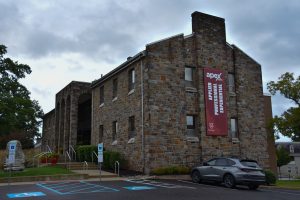
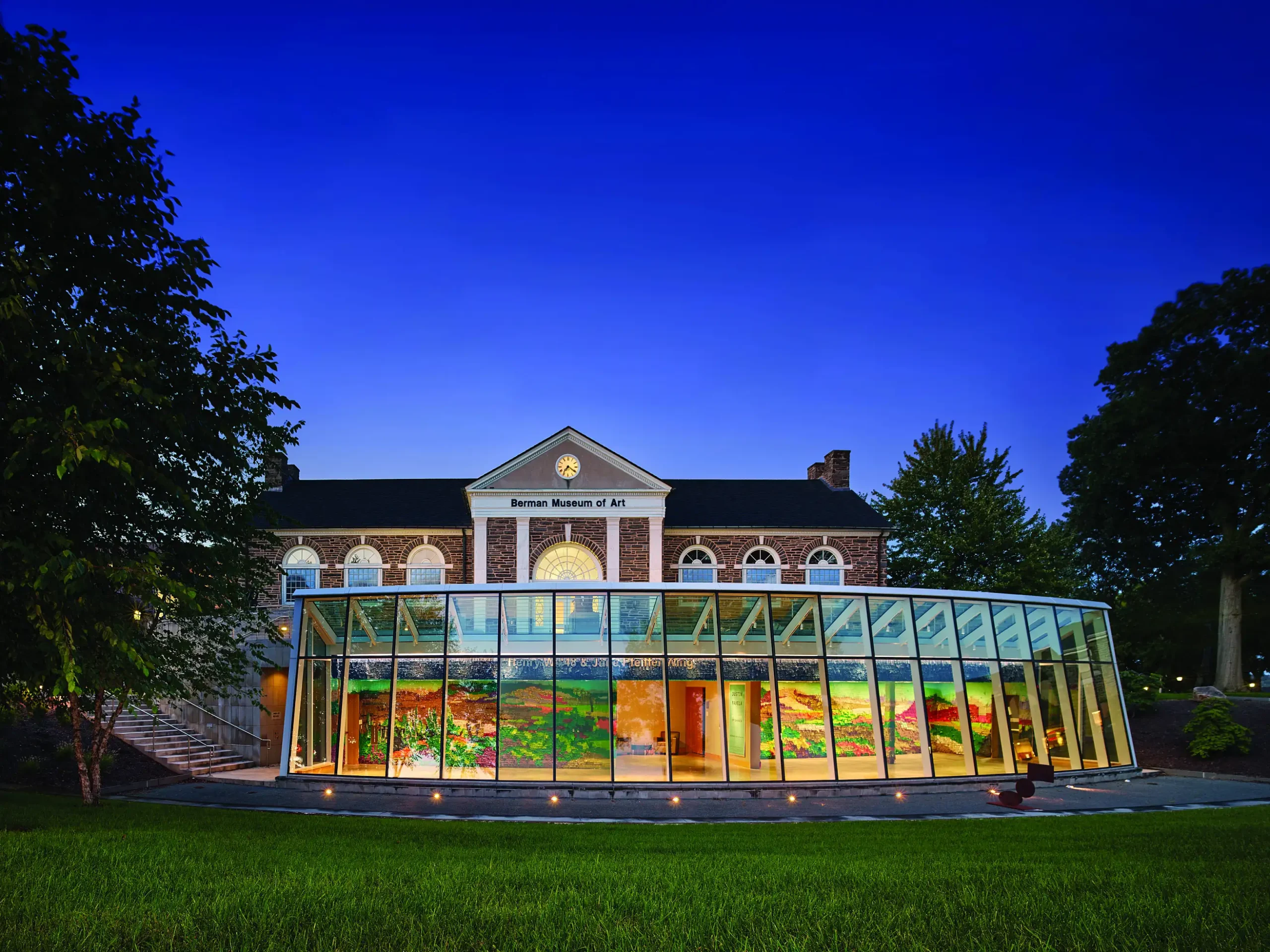
The Berman, which was officially opened to the public in 1989, had originally been an alumni memorable library. The library had been built in honor of eight Ursinus students and alumni who died in World War I, with alumni donations funding the construction beginning in 1921. Nearly 50 years later in an act known as the Book Walk, students and faculty carried the library’s collection to the newly built Myrin Library and the Berman became the Ursinus College Union. The College Union, a precursor to Lower Wismer in the sense of a student lounge, lasted for 14 years before a decline in popularity. It was then that Philip Berman, a former Ursinus student, decided to turn it into a museum, housing art works that he and his wife Muriel had accumulated over the years. After renovations to the entrances as well as the basement and second floor, it opened with a debut exhibition titled “A Passion for Art: Selections from the Berman Collection.”
That long legacy now rests in McClellan’s capable hands. She is curating a landscape exhibition made from art in the collection, showing depictions of climate change in art throughout the decades, inspired by the anthology of poems written in 2023, Dear Reader at the Edge of Time. She also wants to “establish a new cadence for exhibitions,” having pieces open in the summer months and stay through the fall along with a piece opening in the spring; these exhibitions will work in tandem with the student art exhibition. Other future exhibitions are “Remembering and Resisting: LGBTQ + History from Nazi Germany,” a traveling exhibition. With so many pieces in storage and constantly being cycled through exhibitions as well as guest artists, there will be no shortage of exhibitions in the future.
McClellan is eager to involve the Ursinus community, working with students and faculty, saying that “The energy of the campus is palpable.” While the museum currently employs student workers to manage the front desk and give tours, she would love to expand their opportunities, such as working exhibitions in later years. McClellan also is keen to involve students from areas of study outside of art history and museum studies, looking not just to provide operational support but give students opportunities to develop new skills and develop work experience through the digitization of collections as well as marketing. She is open to any commentary and feedback from students on how the museum can better suit Ursinus and the surrounding community.